


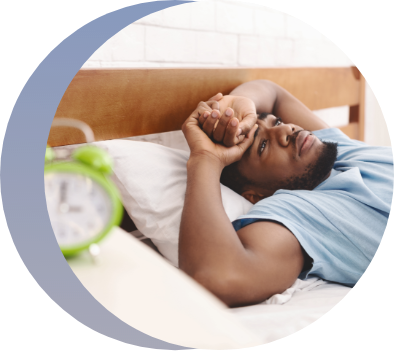
You might wake up one night unable to move and feel a presence in the room. That moment feels terrifying, but the short answer is: sleep paralysis itself is not usually dangerous, though it can be alarming and tied to other health issues that need attention.
We will explain what sleep paralysis is, why it happens, and when it could signal a bigger problem like a sleep disorder, mental health concern, or poor sleep habits. You will learn simple steps to reduce episodes and when to see a doctor so you can sleep with more confidence.
Key Takeaways
- Episodes cause temporary immobility and vivid hallucinations, but rarely harm you physically.
- Risk rises with poor sleep, stress, and other sleep disorders.
- Seek medical evaluation if episodes are frequent, cause distress, or affect daily life.
Understanding Sleep Paralysis
We explain what sleep paralysis feels like, why it happens during REM sleep, and how it links to other sleep disorders. The focus is on clear facts you can use to recognize episodes and talk with a provider.
What Is Sleep Paralysis
Sleep paralysis is a brief inability to move or speak while falling asleep or waking up. We stay aware of the room, but our limbs and voice feel locked.
Episodes can last a few seconds to a couple of minutes and often cause fear, chest pressure, or vivid hallucinations. This condition is a type of parasomnia — an unwanted event during sleep.
It can occur alone or with other sleep disorders like narcolepsy. Triggers include disrupted sleep schedules, shift work, and poor sleep habits.
If episodes are frequent or cause daytime sleepiness, we should consult a sleep specialist.
REM Sleep and Muscle Atonia
REM sleep is the stage when most dreaming happens, and the brain temporarily turns off motor activity. This natural shutdown, called muscle atonia, keeps us from acting out dreams and injuring ourselves.
Sleep paralysis happens when awareness returns before muscle control does, so we feel awake but cannot move. Polysomnography studies link sleep paralysis to a mismatch between REM and wake states.
That overlap qualifies it as a REM-related parasomnia. Improving sleep regularity and treating underlying sleep disorders can reduce episodes by restoring normal REM-wake transitions.
Types of Sleep Paralysis
Sleep paralysis can occur as a single episode, repeated episodes tied to other sleep disorders, or ongoing episodes without another diagnosis. Each type differs in how often it happens, what triggers it, and when you should seek medical help.
Isolated Sleep Paralysis
Isolated sleep paralysis (ISP) happens when someone has one or more episodes of paralysis without signs of narcolepsy or another major sleep disorder. During ISP, we wake up or fall asleep fully aware but cannot move or speak for seconds to minutes.
Hallucinations—feeling a presence, chest pressure, or out-of-body sensations—often occur with ISP and increase fear during the event. We look for triggers like irregular sleep, stress, shift work, or sleeping on the back.
ISP usually doesn’t cause lasting physical harm, but repeated episodes can harm sleep quality and daytime functioning. If episodes start to interfere with daily life, a sleep specialist can check for underlying causes and suggest sleep-habit changes or therapy.
Recurrent Sleep Paralysis
Recurrent sleep paralysis means episodes happen repeatedly and may be linked to another sleep disorder, such as narcolepsy or obstructive sleep apnea. Frequency varies: some people have monthly episodes; others get them several times a week.
Recurrent episodes more often cause anxiety, avoidance of sleep, and chronic sleep loss. We pay attention to other symptoms that suggest a larger problem, like sudden daytime sleep attacks, cataplexy (sudden muscle weakness), or loud snoring and gasping at night.
Treating the underlying sleep disorder often reduces or stops recurrent paralysis. A clinician may use sleep studies, daytime sleepiness scales, and history to guide treatment.
Recurrent Isolated Sleep Paralysis
Recurrent isolated sleep paralysis (RISP) describes ongoing, frequent episodes that are not linked to narcolepsy or another diagnosed sleep disorder. RISP can look like recurrent sleep paralysis, but normal test results and no other sleep disorder signs separate it from narcolepsy-linked cases.
We find RISP especially distressing because episodes repeat without a clear medical cause. Management focuses on improving sleep regularity, reducing stress, and behavioral therapies such as CBT for insomnia or techniques that change the response to episodes.
When RISP persists despite these steps, referral to a sleep or mental health specialist can help tailor treatment and reduce episode frequency.
Symptoms and Experiences
We describe what people actually feel during sleep paralysis and why those sensations can seem real. You will read about the core physical signs, common types of hallucinations, and what a single episode typically unfolds like.
Common Symptoms of Sleep Paralysis
We often wake up or fall asleep and find that our body won’t move. This paralysis usually lasts a few seconds to a couple of minutes.
Breathing stays normal, and we can usually move our eyes and think clearly even when our limbs feel frozen. Many people report heavy chest pressure, sweating, and a fast heart rate during an episode.
Intense fear or panic is common and may linger after the episode ends. Daytime sleepiness, poor sleep habits, or other sleep disorders often appear alongside these events.
Repeated episodes can interfere with daytime focus and mood.
Intruder and Incubus Hallucinations
We sometimes sense a presence in the room or hear footsteps, voices, or whispering. These intruder hallucinations feel external even though they come from the brain.
Visual hallucinations can include shadows, figures, or a person at the bedside. Incubus-type hallucinations include pressure on the chest or a feeling of strangulation.
People describe the presence as hostile or threatening, which raises panic and makes breathing feel harder even though airway function is normal. These hallucinations explain many “sleep paralysis demon” reports across cultures.
They are vivid but short-lived and not a sign of psychosis.
Understanding Sleep Paralysis Episodes
A typical episode starts at the sleep–wake transition when REM muscle atonia overlaps with wakefulness. We remain conscious while the body’s usual REM paralysis lingers.
That mismatch creates the frozen sensation and sets the stage for hallucinations. Episodes can be triggered by sleep loss, irregular sleep schedules, stress, or other sleep disorders like narcolepsy.
Night terrors are different: they occur during deep sleep and mainly affect children. If episodes become frequent or cause severe daytime sleepiness, we should consider seeing a sleep specialist to check for underlying conditions and treatment options.
Causes and Risk Factors
Sleep paralysis happens when the parts of sleep that control muscle paralysis and wakefulness get out of sync. We find that biological factors, other sleep disorders, mental health conditions, and daily habits all play clear roles in who gets episodes and why.
What Causes Sleep Paralysis
Sleep paralysis occurs when REM atonia — the brain’s way of keeping muscles still during dreams — persists as we wake. This mismatch leaves us conscious but unable to move for seconds to minutes.
Genetics appear to matter; twin studies suggest a hereditary link, though genes interact with sleep and stress. Episodes can follow abrupt sleep shifts, jet lag, or sudden awakenings from deep sleep.
Certain medicines and stimulants can change REM timing and increase risk. Sleeping on the back also raises the chance of feeling pressure on the chest during an episode.
Sleep Disorders and Mental Health Links
Narcolepsy strongly increases risk because it fragments REM regulation and causes sudden transitions between sleep states. People with untreated sleep apnea or chronic insomnia also report more episodes since their sleep cycles keep getting interrupted.
Anxiety disorders, panic disorder, and depression correlate with higher rates of sleep paralysis. High daytime anxiety and nighttime rumination can trigger awakenings from REM.
We often see a cycle: anxiety makes episodes more likely, and episodes increase nighttime fear, which then worsens sleep. If episodes are frequent or severe, a sleep study can check for narcolepsy, apnea, or other disorders.
Treating the underlying condition usually reduces paralysis episodes.
Lifestyle and Sleep Hygiene Factors
Poor sleep habits are among the easiest causes to fix. Irregular bedtimes, short sleep duration, and shift work destabilize REM timing and raise risk.
We recommend steady sleep schedules and 7–9 hours nightly for most adults. Stress, heavy late caffeine or alcohol use, and screens before bed also worsen REM disturbances.
Simple changes—consistent wake time, cutting caffeine after mid-afternoon, and a calm wind-down routine—lower episode frequency. Relaxation practices like deep breathing or progressive muscle relaxation can help interrupt an episode and reduce nighttime anxiety.
Is Sleep Paralysis Dangerous?
We focus on what directly affects the body and what affects the mind. We explain risks that can be medical and those that can harm mental health or daily life.
Physical Health Risks
Sleep paralysis itself does not cause physical injury or death. Episodes are brief—usually seconds to a few minutes—and muscle control returns on its own or when someone wakes up.
That means there is no direct medical damage from being temporarily unable to move. However, sleep paralysis can signal other sleep problems that do pose physical risks.
For example, people with untreated sleep apnea or severe insomnia may have a higher risk of high blood pressure, heart disease, or daytime accidents from sleepiness. Shift work and very irregular sleep schedules raise the chance of both sleep paralysis and chronic sleep loss, which affects immune function and metabolic health.
We recommend seeing a healthcare provider if episodes are frequent, long, or paired with heavy daytime sleepiness, loud snoring, or pauses in breathing.
Emotional and Psychological Impact
Episodes often cause intense fear, panic, and vivid hallucinations. Those experiences can leave us anxious about falling asleep and may trigger insomnia or avoidance of sleep.
Repeated episodes sometimes lead to ongoing worry, reduced sleep quality, and reduced daytime functioning. People with existing anxiety or PTSD may find that episodes worsen their symptoms.
The emotional toll can look like persistent sleep anxiety, trouble concentrating, and lowered mood. We advise tracking episode frequency and describing associated thoughts and daytime effects to a clinician.
Cognitive-behavioral strategies, better sleep routines, and treating underlying sleep disorders often reduce both episodes and their emotional impact.
Diagnosis and When to Seek Help
We focus on clear signs that point to sleep paralysis and how medical testing can confirm causes. Know when simple measures may help and when to get a formal evaluation.
Differentiating Sleep Paralysis from Other Conditions
We ask about episode timing, how long immobility lasts, and if vivid hallucinations or chest pressure occur. Sleep paralysis usually happens just as you fall asleep or wake up and lasts seconds to a few minutes.
If you feel fully awake but cannot move, and you recall seeing or hearing things that aren’t real, that fits typical sleep paralysis. Other conditions can look similar.
Narcolepsy adds daytime sleep attacks and sometimes cataplexy (sudden muscle weakness). Panic attacks usually start when fully awake and include a racing heart and hyperventilation without a clear sleep transition.
Sleep apnea causes daytime sleepiness and loud snoring, not brief conscious paralysis. We recommend noting episode frequency, triggers (shift work, poor sleep), and any daytime sleepiness to share with your provider.
The Role of Sleep Studies
When episodes are frequent or disrupt life, we suggest objective testing. Polysomnography (a sleep study) records brain waves, breathing, oxygen, and muscle tone overnight.
It helps us see if REM sleep boundaries are abnormal or if another disorder, like sleep apnea or REM behavior disorder, explains the symptoms. A sleep study may include daytime nap testing if narcolepsy is suspected.
Results guide treatment choices: improving sleep hygiene, treating sleep apnea, or considering medication for REM regulation. We tell patients to bring a sleep diary and list of medications to the study — these details help interpret the recordings and plan next steps.
Managing and Preventing Sleep Paralysis
We focus on steps we can take each day and steps to use during an episode. Small changes in sleep habits, targeted treatments, and simple in-the-moment tactics reduce how often episodes happen and how scary they feel.
Improving Sleep Hygiene
We aim for a steady sleep-wake schedule: go to bed and wake up at the same times every day, including weekends. Consistent timing helps stabilize REM sleep, which lowers the risk of waking into muscle atonia.
We set our bedroom for sleep: cool temperature, low light, and minimal noise. Remove screens at least 30–60 minutes before bed and use comfortable bedding.
If we nap, we keep naps short (20–30 minutes) and avoid late afternoon naps that disrupt nighttime sleep.
We limit stimulants and heavy meals close to bedtime. Cut caffeine after early afternoon, reduce alcohol in the evening, and finish large meals two to three hours before bed.
Regular exercise helps, but not within one hour of bedtime.
Treatment Approaches
We consider behavioral and medical options when episodes are frequent or distressing. Cognitive behavioral therapy for insomnia (CBT-I) can improve sleep patterns and reduce episodes by addressing sleep timing and anxiety about sleep.
If an underlying sleep disorder exists, we treat it directly. For example, diagnosing and managing narcolepsy or sleep apnea often decreases sleep paralysis.
A sleep specialist can order a sleep study (polysomnography) to check for these conditions.
In some cases, doctors may prescribe short-term medications that alter REM sleep to reduce episodes. We discuss risks and benefits with our clinician before starting any drug.
Coping Strategies During Episodes
We use simple grounding actions to shorten episodes and reduce fear.
Focus on moving a single small muscle first, like wiggling a finger or toe.
Then expand movement.
Light pressure or touch from a partner can help wake us fully.
We practice controlled breathing: slow, even breaths to lower panic.
Mentally note familiar details in the room to anchor awareness, such as the clock or a picture on the wall.
We prepare a plan ahead of time: share our experience with a partner or housemate.
Agree on a gentle touch or voice cue if an episode occurs.
Knowing When Sleep Paralysis Is Harmless and When It Signals a Bigger Problem
Sleep paralysis itself is not usually dangerous, even though it can feel terrifying in the moment. Episodes are typically brief and resolve on their own, and they do not stop your breathing or cause physical harm. What often makes sleep paralysis so distressing is the combination of temporary immobility and vivid sensations—such as chest pressure, fear, or hallucinations—that can feel intensely real. Understanding that these experiences stem from a REM sleep “overlap” with wakefulness can help reduce anxiety and make episodes easier to manage.
That said, frequent or escalating episodes should not be ignored because they can point to underlying sleep disruption or sleep disorders. Sleep deprivation, irregular sleep schedules, high stress, and back sleeping can increase risk, and conditions like narcolepsy, chronic insomnia, or sleep apnea may contribute as well. When sleep paralysis becomes recurrent, causes significant fear around bedtime, or is paired with symptoms such as loud snoring, daytime sleepiness, or poor concentration, a professional sleep evaluation can help identify treatable causes and reduce long-term impact on sleep quality and daily functioning.
At Gwinnett Sleep, our board-certified sleep specialists use advanced diagnostics and personalized treatment plans to evaluate recurring sleep paralysis and any underlying sleep disorders that may be contributing. If episodes are frequent, distressing, or affecting your confidence around sleep, our team can help you find answers and restore more peaceful, restorative nights.
Schedule your consultation today and start sleeping the difference.