


Signs of Teeth Grinding: What to Look for and When to Seek Help
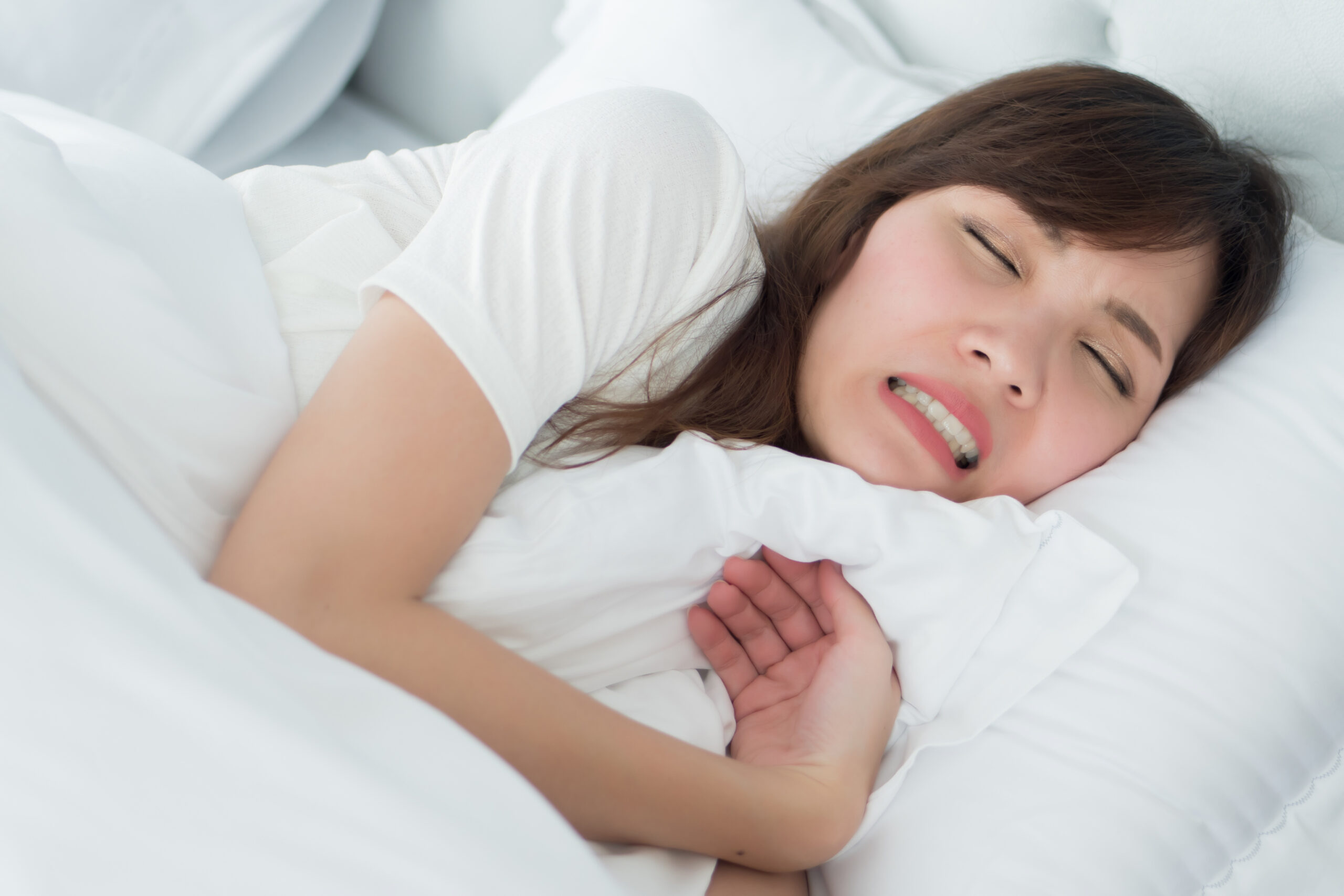
You may be grinding your teeth at night and not even know it, but your jaw, head, and sleep can tell the truth. We’ll show you the clear signs to watch for—morning jaw soreness, new tooth sensitivity, worn or chipped teeth, and sleep sounds a partner might hear—so you can spot a problem before it gets worse.
If you wake with jaw pain, frequent morning headaches, or notice damaged teeth, those are the strongest signs you should seek help.
We’ll explain why grinding happens, what health and dental risks can follow, and when to see a dentist or sleep specialist. You’ll also learn simple next steps we recommend, from testing to protection and lifestyle changes, so you can protect your teeth and sleep better.
Key Takeaways
- Watch for jaw soreness, morning headaches, and new tooth sensitivity as top warning signs.
- Visible tooth wear, chips, or cracked dental work often point to ongoing grinding.
- Seek evaluation when symptoms persist so we can diagnose and offer protective treatment.
What Is Teeth Grinding and Bruxism?
We explain what bruxism is, how it happens, and who it affects. We cover the main types, how they differ, and how common they are in adults and children.
Overview of Bruxism
Bruxism is the habit of clenching, grinding, or rubbing the teeth together. It involves repeated jaw-muscle activity that can happen without conscious control.
The action can wear down tooth enamel, crack fillings, and strain the jaw muscles and joints. Bruxism often shows as jaw soreness, tooth sensitivity, or headaches that start at the temples.
Loud grinding during sleep can wake a partner. Some people never notice because the behavior happens while they sleep or when they are distracted.
We treat bruxism as both a dental and sleep-related issue. Dentists check for tooth wear, and dentists or sleep specialists look for links to sleep problems.
Differences Between Awake and Sleep Bruxism
Awake bruxism happens while a person is conscious. We often clench during tense moments, tough concentration, or as a habit.
People may feel jaw tightness, but they usually notice it and can try to stop. Sleep bruxism occurs during sleep and counts as a sleep-related movement disorder.
It can include loud grinding and brief bursts of jaw activity tied to sleep arousals. Sleep bruxism is less controllable and may not be noticed until damage appears or a partner reports noise.
Risk factors differ: awake bruxism links more to stress, anxiety, and daytime habits. Sleep bruxism links to sleep disorders like snoring or sleep apnea and sometimes to medications.
Management differs too: behavior change and habit reversal help awake bruxism, while night guards and treating sleep problems help sleep bruxism.
Prevalence in Adults and Children
Bruxism is common across all ages, but the patterns change. Many children grind their teeth, especially during growth and sleep, and most outgrow it by adolescence.
Child bruxism often causes less dental damage but still merits monitoring. In adults, prevalence varies.
Studies show a notable share of adults have awake or sleep bruxism at some point. Awake bruxism can rise with stress and work demands.
Sleep bruxism affects a smaller, but still significant, portion and often co-occurs with other sleep issues. We recommend regular dental exams to spot wear and ask about morning jaw pain or partner reports of grinding.
Most Common Signs of Teeth Grinding
We look for clear physical clues that show teeth grinding is happening. The signs below focus on jaw pain, headaches, and changes in tooth feel or position so you can spot problems early.
Jaw Pain and Soreness
We often feel tired, sore, or have tight muscles around the jaw after a night of grinding. The masseter muscles (the ones at the back of the jaw) can ache and feel hard when touched.
You might notice your jaw feels stiff in the morning or that it hurts when you open wide to eat. Repeated clenching can create a constant, low-level soreness that gets worse with chewing.
Some people hear popping or clicking in the temporomandibular joint (TMJ) when moving the jaw. If jaw pain persists for more than a few weeks, we recommend seeing a dentist or a sleep specialist to check for bruxism and TMJ problems.
Headaches and Morning Discomfort
We commonly get dull headaches that start at the temples after grinding. These tension-type headaches can wake us or appear first thing in the morning.
The pain may be mild at first but return daily if grinding continues. Morning discomfort can include facial tightness and a sense that our head is heavy.
Headaches linked to bruxism often sit at the temples or around the eyes. If headaches are frequent, we should track when they happen and discuss them with our healthcare provider so they can link them to possible nighttime grinding.
Sensitive or Loose Teeth
We may notice tooth sensitivity to cold or hot drinks when enamel wears from grinding. Repeated grinding can flatten or chip teeth, exposing inner dentin and causing sharp sensitivity.
Fillings, crowns, or dental work can also feel loose or damaged after prolonged clenching. Look for visible tooth wear—flattened biting surfaces, small cracks, or short-looking teeth.
If a tooth feels loose or a restoration fails, we should see our dentist promptly to prevent further damage and to address the underlying grinding habit.
Visible Dental Damage Associated With Teeth Grinding
We often see specific signs when grinding harms teeth. These include teeth that look flattened, chips or cracks, and damage to fillings or crowns that may lead to more treatment.
Worn-Down or Flattened Teeth
Bruxism wears tooth enamel over time, leaving flat chewing surfaces and shorter-looking teeth. We notice the molars and premolars first; their cusps can disappear and make teeth look even across the bite.
Worn enamel raises sensitivity. Patients report pain to hot, cold, or sweet foods because dentin becomes exposed.
This wear also changes how teeth meet, which can cause jaw pain and uneven chewing. If wear is advanced, we may recommend restorations such as crowns to restore height and protect teeth.
Cracked, Chipped, or Broken Teeth
Grinding places heavy, repeated force on teeth and can create hairline cracks or full fractures. We find these cracks on biting surfaces and along the tooth’s sides; they often cause sharp pain when chewing.
Chips remove small pieces of enamel and dentin, leaving rough edges and sensitive spots. In severe cases, a tooth can break down to the root, requiring more complex care like a root canal or extraction.
Treatment depends on the damage. We repair small chips with fillings or bonding, use crowns for large fractures, and use root canals when pulp is affected.
Damage to Dental Restorations
Crowns, fillings, and veneers face extra stress from grinding and may loosen, crack, or wear away. We often see worn-down fillings and fractured crowns in patients who grind at night.
When restorations fail, they expose underlying tooth structure to decay and sensitivity. A damaged crown can let bacteria reach the tooth root, increasing the chance we’ll need a root canal.
We check restorations closely during exams and may replace or rebond them. Night guards and muscle therapies help protect new restorations and extend their lifespan.
Other Symptoms and Health Effects
Teeth grinding can cause pain, change how teeth meet, and disrupt sleep. These problems often show up together and can affect daily comfort, jaw movement, and overall sleep quality.
Facial Pain and TMJ Disorders
We often feel aching or tightness in the jaw muscles after grinding. This pain can be constant or come and go, and it may worsen when chewing or opening the mouth wide.
If grinding continues, the joint that connects the jaw to the skull (TMJ) can become inflamed or misaligned. TMJ problems may produce clicking, popping, or a locking sensation when we move our jaw.
We might also notice reduced jaw range of motion or pain that radiates to the ear, temple, or side of the face. Treating this early with a mouthguard, jaw exercises, or a dental or physical therapy referral can reduce strain and protect the joint.
Sleep Problems and Disrupted Rest
Grinding at night often breaks up our sleep cycles, lowering sleep quality. Even if we don’t fully wake, the micro-arousals caused by grinding reduce deep and REM sleep.
This can leave us feeling tired, foggy, or irritable during the day. Partners may report loud grinding sounds that wake them.
Sleep bruxism also commonly coexists with sleep disorders like obstructive sleep apnea. When we suspect frequent nighttime grinding or daytime sleepiness, a sleep study or referral to a sleep specialist can identify underlying issues and guide treatment.
Gum Recession and Bite Changes
Repeated clenching and grinding put high pressure on teeth and gums. Over time, this can push gum tissue away from the tooth surface, causing gum recession and increased tooth sensitivity.
We may see exposed roots or notice that flossing causes more bleeding. Grinding also wears tooth enamel and can change how teeth meet when we bite.
These bite changes may create gaps, uneven wear, or shifting that affects chewing and speech. A dentist can assess wear patterns and recommend treatments such as custom splints, restorative work, or orthodontic options to protect gums and restore a stable bite.
Causes and Risk Factors for Teeth Grinding
We look at the main drivers behind teeth grinding so readers can spot likely causes and decide when to seek help. Factors include emotional triggers, sleep-related breathing issues, and lifestyle or medical contributors that change muscle or nerve activity.
Role of Stress and Anxiety
Stress and anxiety often trigger awake bruxism and increase teeth grinding during sleep. When we feel tense, our jaw muscles tighten and we may clench without noticing.
This happens during moments of anger, frustration, or deep concentration, and it can become a habitual response. Managing stress can lower grinding frequency.
Techniques like regular exercise, short relaxation breaks, and targeted stress management (therapy, breathing exercises) help reduce muscle tension. If anxiety or chronic stress drives grinding, we may also consider counseling or medication under medical advice.
We should watch for patterns: grinding that worsens during high-stress periods or after consuming caffeine. Tracking these links helps clinicians tailor treatments, such as mouth guards plus stress reduction plans.
Sleep Apnea and Other Sleep Disorders
Sleep-disordered breathing, especially obstructive sleep apnea (OSA), is strongly linked to sleep bruxism. Pauses in breathing and loud snoring can trigger brief arousals that activate jaw muscles and cause grinding episodes.
A bed partner often reports snoring or witnessed breathing pauses alongside nocturnal grinding. If we notice snoring, paused breathing, daytime sleepiness, or loud nighttime grinding, a sleep study may be needed.
Treating OSA with CPAP, oral appliances, or positional therapy can reduce bruxism in many patients. We coordinate with sleep specialists when medical sleep conditions appear to be the root cause.
Other sleep disorders—like periodic limb movement or night terrors—can also coincide with grinding. Identifying coexisting sleep issues guides effective therapy and protects teeth from long-term damage.
Lifestyle and Medical Factors
Substances and medications can raise the risk of bruxism. Caffeine, alcohol, tobacco, and recreational drugs increase muscle activity and sleep fragmentation, which can worsen grinding.
We advise cutting back on these substances to see if symptoms improve. Certain medications—some antidepressants and stimulants—may cause or worsen bruxism as a side effect.
We recommend reviewing prescriptions with a clinician before making changes. Age and genetics also matter: bruxism is common in children and may run in families.
Medical conditions such as GERD, Parkinson’s disease, epilepsy, and ADHD can be linked to grinding through nervous system or sleep effects. When medical or drug-related causes are suspected, we work with dentists, primary care doctors, or specialists to address the underlying issue and protect dental health.
Diagnosis and When to Seek Help
We look for clear signs in the mouth and ask about jaw pain, sleep sounds, medicines, and stress. Early checks can prevent tooth damage and guide us to the right bruxism treatment or specialist.
Dental Evaluation and Checkups
We inspect teeth for wear, cracks, flattened chewing surfaces, and chips that suggest grinding.
We also press on jaw muscles and joints to check for tenderness or limited motion.
We may take X-rays to see tooth roots and jawbone if damage or pain is severe.
Your dentist will track changes over several visits to decide if a splint, crowns, or other dental correction is needed.
Bring a list of medicines, sleep habits, and symptoms such as morning headaches or tooth sensitivity.
These details help us decide if the problem is dental or linked to another condition.
Sleep Studies and Specialist Referrals
If grinding likely happens during sleep or we suspect sleep apnea, we refer you for a sleep study.
The study records grinding sounds, breathing, and oxygen levels to confirm sleep-related bruxism.
We also refer to sleep medicine specialists or ENT doctors when breathing or sleep-disordered breathing appears linked to grinding.
If stress or anxiety seems to drive daytime clenching, we suggest a mental health referral for therapy or behavioral strategies.
Effective Treatments and Prevention Strategies
We focus on actions that protect teeth now and reduce grinding over time.
Custom Night Guards and Nightguards
We recommend a custom night guard made by a dentist to protect your teeth and jaw.
A custom nightguard fits your mouth exactly and stops upper and lower teeth from rubbing.
This reduces enamel wear, chips, and jaw pain while you sleep.
We advise wearing the guard nightly until a clinician says otherwise.
Custom night guards last longer and feel more comfortable than store-bought options.
Bring the guard to dental visits so your provider can check fit, clean it professionally, and adjust it if grinding patterns change.
Practical tips:
- Clean with mild soap and water each morning.
- Store in a ventilated case away from heat.
- Replace the guard if it cracks, becomes thin, or no longer fits well.
Relaxation Techniques and Stress Reduction
We use simple, repeatable methods to lower jaw tension and lessen grinding.
Try 10–15 minutes of guided meditation, deep breathing exercises, or progressive muscle relaxation before bed to calm the nervous system.
Yoga and light stretching in the evening reduce overall muscle tightness that can show up in the jaw.
Progressive muscle relaxation works well: tense then relax each muscle group, ending at the jaw.
Create a bedtime routine that excludes caffeine and alcohol after mid-afternoon.
Turn off screens at least one hour before sleep.
These steps lower nighttime arousal and help stop teeth grinding.
Orthodontic and Medical Treatments
We explore orthodontic and medical options when guards and relaxation are not enough.
Braces or other orthodontic treatment can correct bite misalignment that contributes to grinding.
If crooked or missing teeth cause uneven forces, straightening may reduce bruxism.
We also look for medical causes.
Treating sleep apnea, changing medications that trigger grinding, or managing neurological conditions can cut bruxism frequency.
In some cases, short-term muscle relaxants or Botox injections into jaw muscles may be recommended to reduce severe clenching.
Recognizing Teeth Grinding Early to Prevent Long-Term Damage
Teeth grinding often happens silently—especially at night—so many people don’t realize it’s occurring until symptoms become hard to ignore. Morning jaw soreness, frequent headaches, tooth sensitivity, and visible wear or cracking can all signal ongoing bruxism. In some cases, a partner may notice grinding sounds during sleep before you notice any discomfort yourself. Paying attention to these warning signs early is important, because ongoing clenching and grinding can strain the jaw joint, disrupt sleep quality, and lead to costly dental damage over time.
While protective tools like custom night guards can help reduce tooth damage, persistent symptoms should be evaluated to determine what’s driving the grinding. Stress and anxiety are common contributors, but sleep-related issues—such as obstructive sleep apnea—can also trigger grinding episodes during brief nighttime arousals. If you’re experiencing ongoing jaw pain, repeated morning headaches, chipped or flattened teeth, or excessive daytime fatigue, a professional evaluation can clarify whether the issue is primarily dental, sleep-related, or a combination of both. Identifying the root cause allows for more effective, lasting treatment and better overall health outcomes.
At Gwinnett Sleep, our board-certified sleep specialists provide advanced diagnostic testing and personalized care for sleep-related symptoms that may contribute to teeth grinding. If you’re noticing warning signs—or simply want answers—our team can help you protect your teeth, improve your sleep, and feel better during the day.
Schedule your consultation today and start sleeping the difference.